


The most touching craftsmanship in the world never lies in noisy innovation, but in the long gaze and gentle remolding of the essence of objects. Like all things growing silently in Rilke's writings, rooting steadily and unhurriedly, glass ink, an art attached to transparent media, lingers always in the folds of light and shadow. Through silent transformation, it bears the dual expectations of modern industry and aesthetic life. Amid the turbulent industrial wave, it upholds the purity and resolve of craft objects, accomplishing the long spiritual practice of color, adhesion and vitality on every inch of glass.
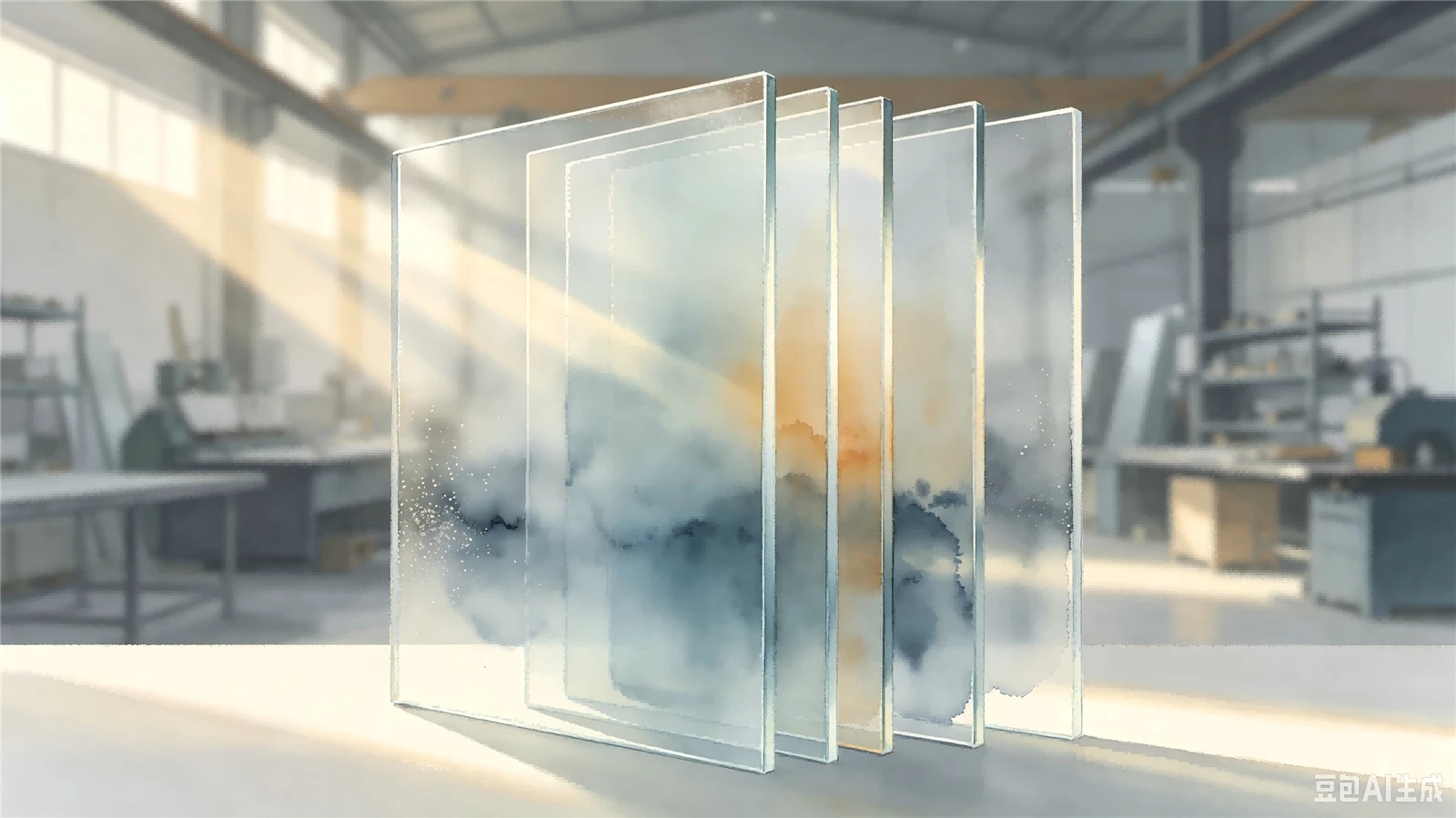
Glass is a transparent carrier of light, a pure wilderness that holds all radiance. Ink, in turn, is the gentle weight settling on transparency, the creation that breathes texture into void and substance into flatness. For a long time, glass ink has been contending with the inertia of transparency. It must tame flowing pigments to cling firmly to the smooth, cold texture of glass, resisting peeling, fading and diffusion; yet it must also revere the inherent transparency of glass, never obscuring the flow of light and shadow, never impairing the innate clarity of the material. This interplay of contradiction and balance forms the core craft essence of the industry and the eternal creative proposition adhered to by all practitioners.
In past years, the glass ink industry evolved steadily on the plain dimension of practicality. Traditional formulas focused solely on basic functions, catering to the fundamental demands of decorative glass, daily glassware and ordinary building materials, with stability and durability as the sole criteria. In those days, ink was a plain tool, a quiet auxiliary material, content to serve as a foil to glass, hidden in the details of utensils and architectures, its texture and warmth rarely explored by anyone. Yet like all living things growing with time, as human aesthetic perception, living needs and industrial standards continue to advance, colors laid on transparent media have gained more delicate and profound significance.
Currently, the glass ink industry is undergoing a profound internal iteration in silence. This revolution entails no radical subversion, yet possesses the assured vitality of sprouting grass and trees. It echoes perfectly Rilke's insight that "poetry is experience, truth accumulated over time". All progress stems from day-to-day craft polishing and experiential precipitation. The in-depth penetration of environmental philosophy has rid the industry of extensive production modes. Low-VOC, heavy-metal-free and low-odor water-based inks and high-temperature eco-friendly inks have gradually become mainstream in the market. Pollution and consumption once inherent in craftsmanship have been largely eliminated, rendering the birth of color clean and tender, and enabling industrial production to conform to the order of nature and the essence of life.
The refinement of craftsmanship has enriched and delicately diversified expressions on transparent surfaces. Modern glass ink is no longer a mere coloring auxiliary, but a medium bridging light, shadow and materials. High-transparency offset printing ink preserves glass's permeability while creating hazy and soft layers, satisfying the aesthetic needs of minimalist architectural glass and household partitions. High-wear and weather-resistant ink breaks free from the erosion of natural elements, defying sunlight, rain and temperature fluctuations, and maintains the color of outdoor curtain wall glass and automotive glass for years unaltered. Special textured inks including matte, frosted and pearlescent variants break the monotonous boundaries of transparent materials, endowing cold glass with mild tactility and layered light and shadow effects.
A more touching transformation lies in the industry's ultimate dedication to "precision and adaptation". Moving beyond rigid and one-size-fits-all matching modes, modern glass ink has developed exclusive formulas and printing techniques tailored to the characteristics of tempered glass, insulated glass, special-shaped curved glass, ultra-thin electronic glass and other diverse substrates. Whether for the grand texture of architectural curtain walls, the exquisite patterns of daily glassware, the precise coatings of electronic screens, or the artistic painting of cultural and creative glass, there exists a compatible ink system. Such precision embodies the subtle tenderness of industrial civilization and the artisan's concentrated devotion, allowing every streak of color to coexist harmoniously with glass texture and live up to the purity of transparency.
Throughout the industrial landscape, the glass ink industry sustains a quiet growth posture, spurning impetuous market trends and focusing solely on tapping the inherent value of craft objects. The upgrading of upstream raw material purification, the meticulous polishing of midstream production techniques, and the diversified expansion of downstream application scenarios form a complete ecosystem for steady industrial growth. Compared with bustling industrial tracks, it remains low-key and restrained, yet deeply embedded in architecture, home furnishing, automotive, electronics, cultural creativity and numerous other fields, adorning the transparent texture of all things with invisible power.
As Rilke put it, all things grow at their own pace, and true eternity lies in adhering to one's essence in silence and achieving constant renewal through precipitation. For the glass ink industry, all craft innovation, quality upgrading and aesthetic progression stem from reverence for transparent substances, dedication to life aesthetics, and perseverance in industrial ingenuity. With color as its language and glass as its carrier, it integrates industrial precision, artisan tenderness and aesthetic purity amid the flow of light and shadow.
In the future, this craft rooted in transparency and light and shadow will continue to grow silently. It will keep abreast of the times, refining more delicate textures, eco-friendlier formulas and more diverse expressive forms. On every pane of glass, it will precipitate the power of time, composing unfading poetic hues in the transparent world and endowing ordinary media with enduring aesthetic vitality.