

If you’ve ever held a chipped phone screen, a water-stained perfume bottle, or a faded wine label, you know how much small wear and tear can ruin even the sleekest, most functional glass. That’s where scratch-resistant low temperature glass ink comes in—and as a supplier of this stuff, I get asked all the time: “Where do you even use this?” It’s not just for some random industrial side project; this ink is perfect for so many everyday, high-stakes products we all interact with daily. Let’s break down the biggest application areas, why they matter, and how this ink solves real problems for manufacturers and consumers alike.
First up, and probably the most obvious (but also most critical) use case: smart device screens. I’m talking about the displays on your phone, laptop, tablet, even smartwatches. Let’s be real—we’ve all been there, dropping our phone on concrete, rubbing it against keys in our bag, or swiping it a thousand times a day. Regular glass inks can flake, scratch, or peel when exposed to that kind of daily abuse, especially if they’re baked at super high temperatures that warp the delicate, thin glass used in modern tech. That’s where our scratch-resistant low temp ink shines. It cures at temps way lower than traditional glass inks—think around 120-150°C instead of 400°C or higher—so it doesn’t mess with the screen’s touch sensitivity or clarity. It also has that extra scratch layer that keeps the insulating and conductive parts of the touch screen intact, even if you drag a key across it. If you’re in the market for this for your next phone or notebook display, check out Smart Phone Display Screen Insulating Touch Screen Glass Ink and Notebook Display Screen Insulating Touch Screen Glass Ink to see the exact specs we tailor for those devices. No more worrying about screen edges fading or touch functions glitching after a few months of use—this ink holds up.
Next, let’s talk about smart displays beyond phones and laptops. Think about that digital menu at your favorite coffee shop, the thermostat on your wall, the interactive kiosk at the grocery store, or even the smart fridge screen that shows your grocery list. These things get touched by dozens, if not hundreds, of people a day—hand sanitizer, food crumbs, accidental scrapes from a ring, you name it. Traditional inks on these displays often scratch easily or discolor when exposed to common chemicals (like hand sanitizer or cleaning sprays), which makes the display look old and cheap really fast. Our scratch-resistant low temp ink is designed to handle that. It’s resistant to not just scratches, but also chemicals, so even if someone spritzes a little cleaner on the screen, it won’t run or fade. Plus, since it cures at low temps, it works perfectly on the thin, tempered glass used in these smart displays without cracking or warping. If you’re manufacturing these kinds of intelligent touch screens, Intelligent display Insulating touch screen glass ink is made exactly for that. It’s the kind of product that makes a smart display feel reliable, not like a disposable gadget that’ll look beat up in a year.
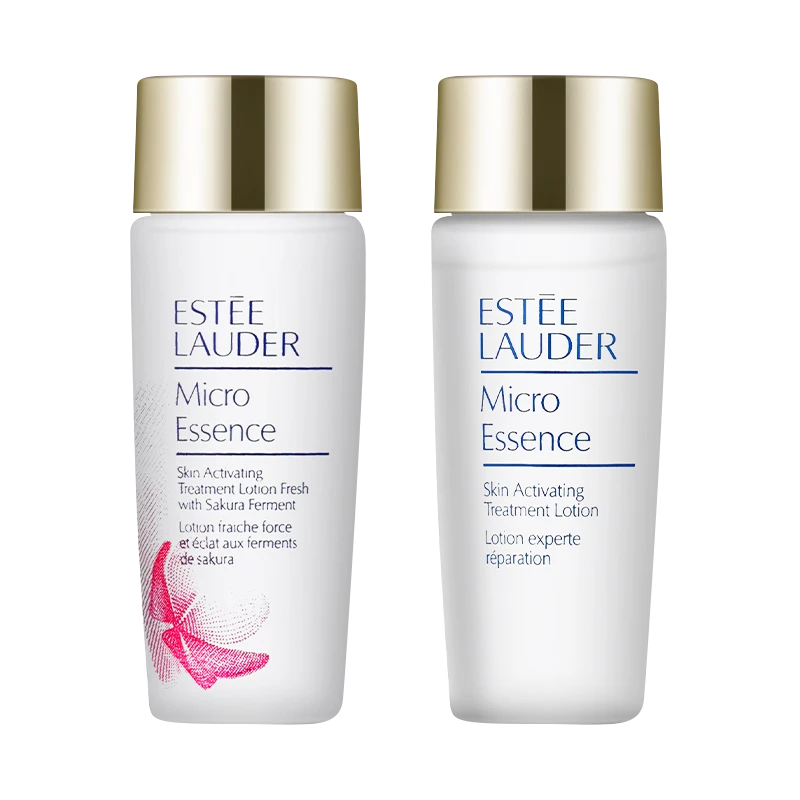
Now, let’s move beyond tech to something we use every day: packaging for beauty and personal care products. Essence water, serums, moisturizers—those fancy glass bottles on your bathroom shelf that you spent extra on because they look sleek. If you’ve ever noticed the print on a perfume bottle or serum bottle peeling after a few months of being on your vanity, that’s because the ink used wasn’t designed to stand up to the chemicals in the product or to the frequent handling. Our ink works great here because it’s scratch-resistant, so even if you’re twisting the cap on and off a hundred times a day, the label or design won’t fade. It also cures at low temps, which is perfect for delicate glass bottles that might have embossed or curved surfaces—high temps could cause the glass to warp or the ink to bubble. Beauty brands care a lot about their packaging’s look, right? If the bottle’s print is perfect, it makes the product feel more premium. That’s why so many beauty companies are switching to our ink for their glass bottles. If you’re in the beauty space, take a look at Essence Water Glass Bottle Ink to see how we customize that for different bottle shapes and finishes. No more cheap-looking peeling ink—just clear, sharp designs that stay looking great for years.
Another big area that people might not immediately connect with: wine and spirit bottles. Winemakers and distilleries put a ton of work into their bottles—they’re not just containers, they’re part of the brand story. Think about the detailed labels on a high-end wine bottle, the embossed logos on a whiskey bottle, the foil wraps that add a premium touch. But when those bottles are moving from the winery to the distributor to the store shelf, they get jostled around, stacked, maybe even scraped against other bottles. Regular baking inks (wait, no, hold on—traditional glass inks for bottles often require high temp baking, right?) so if you have a delicate bottle with a custom shape, high temps can mess up the design. Our scratch-resistant low temp bottle ink is different—it cures at a lower temp, so it works on all kinds of glass bottle shapes, even the intricate ones. And it’s scratch-resistant, so when someone picks up the bottle, puts it in their wine rack, or carries it to a dinner party, the label doesn’t scuff or fade. Wine and spirit brands need their labels to stay looking sharp from production all the way to the consumer’s glass. That’s why Wine Bottle Glass Baking Ink is such a game-changer here. It’s durable, customizable, and doesn’t require the high heat that can ruin delicate bottle designs.
Wait, let’s not forget about other small, everyday glass products that use to get overlooked. Things like glass cutting boards, stovetop glass cooktops, oven doors, or even glass dinnerware that has decorative prints. A lot of people don’t realize that glass used in kitchens gets hit with a lot: hot pans, abrasive sponges, food scraps, constant washing in the dishwasher. Traditional ink on stovetops, for example, can scratch off if you accidentally drag a pot across it, which is not only annoying but can also make the stovetop harder to clean. Our scratch-resistant low temp ink is tough enough to handle that—its scratch layer stands up to metal pans, scrub brushes, and dishwasher cycles, while the low temp curing means it won’t discolor or warp when the stovetop gets hot. Even things like decorative glass panels for homes or offices can benefit—they get scratched by dust, cleaning cloths, or moving furniture, and this ink keeps the design intact.
So why is “low temperature” such a big deal, anyway? Let’s be honest, if an ink needs 400°C to cure, you’re limited to thick, flat glass that can handle that kind of heat. Modern glass is thin, curved, sometimes has special coatings (like anti-reflective or anti-glare) that would get damaged at high temps. Our ink cures at 120-150°C, which is just a little hotter than a standard oven’s “warm” setting. That means it works on every kind of glass, no matter how delicate. It also saves manufacturers energy—less heat means lower production costs, which is a win for both the brand and the environment. Plus, the scratch resistance isn’t just a marketing buzzword; it’s actual, tested performance. We send samples out to manufacturers, they run their own durability tests (scrape tests, chemical tests, temperature tests), and it holds up every time.
I know a lot of people think “glass ink” is just a niche product, but the demand is growing fast. More brands are focusing on premium, durable products that last, and consumers are tired of things that fall apart after a few months. Whether you’re building a new smart phone display, designing a beauty bottle, printing wine labels, or making a smart kiosk, this ink solves problems that regular inks just can’t. It’s not just about making things look good—it’s about making them last, and that’s what customers care about now more than ever.
If you’re a manufacturer looking to upgrade your glass ink, don’t settle for something that will scratch or fade in six months. We’ve tailored our scratch-resistant low temperature glass ink for all these areas, so you don’t have to tweak it for every single product. We can adjust the color, the texture, the scratch resistance level, even the curing temp to fit your specific needs. Ready to chat more about how this ink can work for your next project? Reach out to us to talk pricing, samples, and customization options—we’re here to help you get the right ink for your products.

REFERENCES
- Transparency Market Research. (2023). Global Glass Ink Market: Trends, Growth, and Forecasts.
- Smith, J. et al. (2022). Durability of Low-Temperature Curing Glass Inks for Consumer Electronics. Journal of Printing Science and Technology.
- Beauty Packaging Association. (2023). Premium Packaging Trends: The Role of Glass Inks in Brand Perception.
- Wine Institute. (2022). Packaging Innovation in the Wine Industry: Durable Labels for Modern Distribution.